Tree damage does not automatically mean a tree must be removed.
- Pruning helps remove dead, damaged, overcrowded, or poorly positioned branches.
- A tree may benefit from targeted treatment and regular monitoring when pest infestations, diseases, or signs of stress are still manageable.
- Major trunk splits, root failure, severe decay, and new leaning can signal a higher risk of failure.
- After a storm, Rochester property owners are generally responsible for cleanup on private property.
- Select a replacement tree that matches the planting area, soil conditions, mature height and spread, and distance from nearby utility lines.
Rochester’s established neighborhoods, wooded lots, and tree-lined streets benefit from mature shade trees, but those same trees need thoughtful care as they age. Heavy snow, wind, saturated soil, ice, summer storms, and repeated freeze-thaw cycles- weather patterns common throughout southern Minnesota and the Rochester area- can expose weak branch attachments, decay, root problems, and old pruning wounds. These climate challenges make Rochester tree care especially important for homeowners and property managers.
When a tree becomes a concern, the goal should be to make a sound decision rather than rush to remove it. For Rochester property owners facing a high-risk situation, tree removal Rochester MN, from ArborWise Tree Management can provide a science-based evaluation of tree health, structure, species, and proximity to homes or power lines. The Rochester-based team serves residential and commercial properties throughout Rochester and the surrounding Olmsted County area, with removal options for trees that are unsafe, severely damaged, or no longer practical to preserve.
Why Tree Decisions Matter in Rochester
A healthy, well-placed tree can provide shade, screening, seasonal interest, and habitat. At the same time, a failing tree can threaten a roof, vehicle, fence, sidewalk, driveway, or heavily used outdoor space. The stakes are especially high when a large limb hangs over a child’s play area, a parking lot, or a route used by pedestrians in Rochester neighborhoods.
Tree care is not only about appearance. A tree with a sparse canopy may still be structurally stable, while a full-looking tree can contain hidden decay or a weak trunk union. The appropriate action depends on the tree’s health, the risk of it falling, and the potential damage it could cause.
Start With a Safe Tree Health Check
Homeowners can perform a basic visual check from the ground, preferably in daylight and from multiple angles. Avoid climbing damaged trees, using ladders near unstable branches, or going near limbs that are in contact with electrical equipment.
- Look for dead branches, broken limbs, or hanging wood over a home, driveway, sidewalk, or patio.
- Check the trunk for fresh cracks, separated bark, cavities, or large areas where wood appears soft or missing.
- Check for any new leaning and look for raised, cracked, or separated soil around the base of the tree.
- Check for mushrooms or other fungal growth around the trunk’s base, as these can be signs of decay in the roots or lower trunk.
- Check for sudden leaf drop, sparse foliage at branch tips, unusual color changes, or dying branches that are not part of the tree’s normal seasonal cycle.
- Identify targets beneath or beside the tree, including structures, parked cars, utility lines, streets, and walking areas.
When Pruning May Be the Best Choice
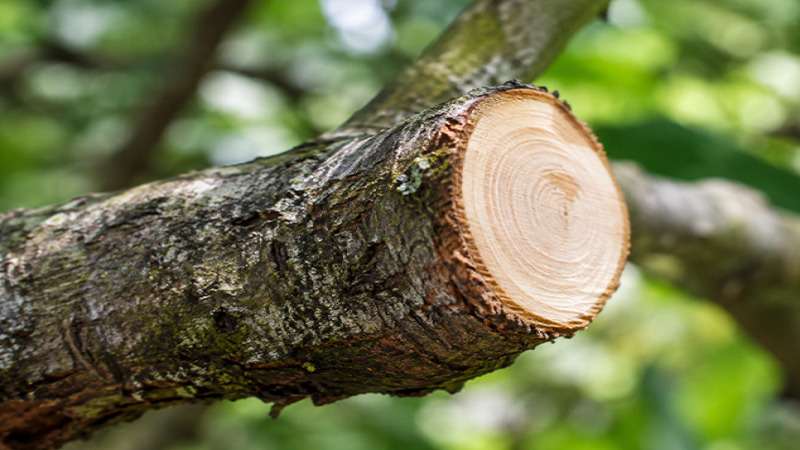
Pruning is often the best option when a tree has a healthy trunk and stable roots but has dead, damaged, overlapping, or weakly attached branches. Selective pruning can improve clearance above roofs, driveways, streets, and pedestrian areas while retaining the tree’s benefits.
For example, a mature maple may lose several limbs in a Rochester-area storm yet remain a good candidate for corrective pruning if its main trunk is intact and its root plate has not shifted. A qualified professional can remove broken branches, reduce end weight where appropriate, and preserve the strongest portions of the canopy.
Proper cuts matter. Topping, or cutting large branches back indiscriminately to stubs, can leave large wounds and encourage weak regrowth. Good structural pruning works with the tree’s natural form instead of simply making it shorter.
When Treatment or Monitoring Makes Sense
Not every decline is permanent. Some trees respond well to a targeted plan after the underlying issue is identified. Species identification is important because the same symptom can have different causes in ash, oak, maple, spruce, or crabapple.
Common concerns in the Rochester area include insect pressure such as emerald ash borer, foliar disease, winter injury from Minnesota’s harsh freezes, drought stress, compacted soil, and root damage from construction. A tree with limited symptoms but no major structural defect may benefit from monitoring through the growing season. Take dated photos of the tree’s canopy, trunk, and affected leaves to track changes over time.
Warning Signs That May Point to Removal
Removal becomes more likely when a tree has a serious defect and stands within reach of an important target. Visual signs alone should not determine the next steps, but the following conditions require timely evaluation by a qualified professional:
- A split trunk or major branch union that is visibly opening.
- Newly lifted root plates, exposed roots, or heaving soil after wind or prolonged wet conditions are common in Rochester springs.
- Extensive decay in the trunk, root flare, or major roots.
- Large dead sections that cannot be safely managed through selective pruning.
- A tree that has started leaning or is leaning further toward a building, road, walkway, parking lot, or frequently used area.
- Storm damage that leaves the remaining structure unstable.
What to Do After a Rochester Storm
First, keep people and pets away from the affected area. Stay clear of downed wires and branches in contact with electrical lines. If a tree blocks access or creates an electrical hazard, contact emergency services or the appropriate utility provider rather than attempting to move it.
Rochester crews prioritize public safety and access, including blocked streets, sidewalks, trails, and public rights-of-way. Private-property owners remain responsible for debris and final cleanup on their property, even when crews move obstructing material aside to reopen travel routes. The City of Rochester’s storm damage guidelines provide more details about homeowners’ responsibilities for fallen trees and debris.
- Photograph visible damage from a safe location.
- Contact your insurer before authorizing major work when circumstances allow.
- Keep receipts for emergency work, hauling, repairs, and removal.
- Ask a trained tree care specialist to assess any split, bent, or partly fallen tree before carrying out cutting work.
How to Choose a Tree Care Professional
Complex pruning and removals require more than a chainsaw. Ask whether the company carries appropriate insurance, provides a written scope of work, and includes cleanup and debris disposal in its estimate. For diagnosis, hazardous removals, or work around structures, look for trained professionals and ISA Certified Arborists serving the Rochester area.
Be cautious with unsolicited door-to-door offers after major storms in Rochester. A reputable company should be willing to explain the work, identify the risks, and describe alternatives when pruning or monitoring may be more appropriate than removal.
Plan for a Healthier Replacement Tree
If removal is necessary, start replacement planning soon afterward. Select a tree species suited to Rochester’s climate, considering sunlight, soil conditions, drainage, overhead space, and its expected canopy size at maturity. Diversity also matters. Planting a range of suitable species can help prevent a single insect or disease from affecting too much of a Rochester neighborhood’s canopy.
Plant new trees at the correct depth, keep mulch away from the trunk, water consistently during establishment, and use early structural pruning to encourage sound branch development. A well-chosen young tree can become a long-term asset to a Rochester property.
Make the Decision Before the Next Storm
Leaving tree problems unaddressed can lead to more serious issues over time. A thorough inspection helps determine whether pruning, treatment, or complete removal is the most appropriate and safest option. Acting before the next severe weather event helps protect people, property, and Rochester’s valued urban canopy. See more