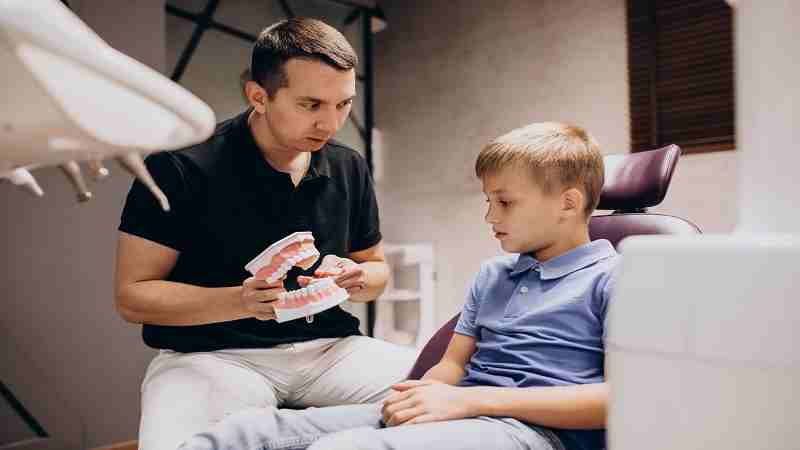
As children transition from baby teeth to permanent teeth, changes in jaw structure, bite alignment, and tooth positioning become more noticeable. While many parents associate orthodontic care with aesthetics, early orthodontic intervention can also improve oral function, speech, comfort, and long-term dental health.
Recognizing the early warning signs of orthodontic issues during adolescence can help parents address concerns before they become more complex. In many cases, identifying problems early may reduce treatment time, lower future dental costs, and prevent complications related to jaw development or oral hygiene.
Why Adolescence Is an Important Time for Orthodontic Evaluation
The teenage years are often when orthodontic concerns become easier to identify. Permanent teeth have usually erupted by this stage, and the jaw is still developing, making it an ideal time to evaluate bite patterns and alignment.
Orthodontic problems rarely resolve on their own. Mild crowding or bite irregularities can gradually worsen as the jaw matures. According to dental professionals, early evaluation allows orthodontists to monitor growth patterns and determine whether intervention is necessary before issues become more severe.
Parents do not always need to wait until visible problems appear. Subtle symptoms in daily habits, speech, or eating patterns may already indicate underlying orthodontic concerns.
Persistent Crowding or Overlapping Teeth
One of the most common signs that a child may need orthodontic care is crowded or overlapping teeth. When there is insufficient space in the jaw, teeth may twist, overlap, or erupt in abnormal positions.
Crowding can create several long-term issues, including:
- Difficulty brushing and flossing properly
- Increased risk of cavities and gum disease
- Uneven tooth wear
- Greater likelihood of plaque accumulation
Even mild crowding can make oral hygiene more challenging during adolescence, especially as teens become more independent with their dental routines.
In many cases, families seek guidance from an experienced orthodontist in Stafford, VA, to evaluate whether alignment issues are likely to worsen as the jaw continues developing.
Difficulty Biting or Chewing Food
Children with bite alignment problems may struggle to chew food evenly or comfortably. Some teens unconsciously avoid certain foods because biting feels awkward or painful.
This may stem from issues such as:
- Overbite
- Underbite
- Crossbite
- Open bite
Bite problems affect more than appearance. Improper alignment can place unnecessary stress on the jaw muscles and joints, potentially leading to discomfort over time.
Parents should pay attention if their child consistently chews on one side of the mouth, complains about jaw fatigue, or struggles to bite into foods like sandwiches or apples.
Mouth Breathing and Speech Difficulties
Chronic mouth breathing may sometimes be linked to jaw and dental development issues. While allergies or nasal obstruction can contribute, orthodontic problems may also play a role.
Improper jaw positioning can affect tongue posture and airway space, which may influence breathing habits during sleep and throughout the day.
Speech difficulties can also indicate alignment concerns. Problems pronouncing certain sounds, lisping, or speech changes related to tongue positioning may warrant orthodontic evaluation.
Although speech issues are not always caused by orthodontic conditions, dental alignment is often an important factor worth assessing.
Frequent Biting of the Cheeks or Tongue
Teens who regularly bite the inside of their cheeks or tongue may have misaligned teeth or bite irregularities. This can occur when teeth do not meet properly during chewing or speaking.
Repeated soft tissue irritation may cause:
- Mouth soreness
- Ulcers or canker sores
- Discomfort while eating
- Increased oral sensitivity
Because children often adapt to minor discomfort, they may not always mention these issues unless parents ask directly.
Teeth That Protrude Significantly
Protruding front teeth are another common indicator of orthodontic concerns. Teeth that extend outward are more vulnerable to accidental injury during sports, falls, or physical activity.
This is especially relevant for active adolescents involved in athletics or recreational activities.
Beyond injury risk, protruding teeth may affect confidence during socially sensitive teenage years. While orthodontic care should never focus solely on appearance, emotional well-being and self-esteem can still play an important role in a child’s overall quality of life.
Jaw Clicking, Shifting, or Discomfort
Parents should not ignore jaw-related symptoms in adolescents. Clicking sounds, popping sensations, or noticeable jaw shifting may suggest bite imbalance or jaw alignment issues.
Some teens also experience:
- Jaw soreness in the morning
- Difficulty opening or closing the mouth fully
- Facial tension
- Headaches associated with jaw strain
Although these symptoms can have multiple causes, orthodontic evaluation may help determine whether dental alignment contributes to the problem.
Delayed or Irregular Tooth Eruption
Not all orthodontic issues involve visibly crooked teeth. Sometimes, problems become apparent through delayed tooth eruption or unusual spacing patterns.
Examples include:
- Adult teeth erupting too early or too late
- Teeth growing in abnormal positions
- Large gaps between teeth
- Impacted teeth that fail to emerge properly
Monitoring eruption patterns during adolescence is important because timing can influence future treatment options.
Loss of Confidence Due to Dental Appearance
Teenagers are often highly aware of their appearance, and dental concerns may affect social confidence more than parents realize.
Children who avoid smiling in photos, cover their mouths while speaking, or express embarrassment about their teeth may benefit from professional evaluation. Orthodontic care can help address both functional and cosmetic concerns in a healthy, age-appropriate way.
Importantly, orthodontic treatment is not about achieving perfection. The goal is to improve oral health, function, comfort, and long-term stability.
Why Early Evaluation Matters
The American Association of Orthodontists recommends that children receive an orthodontic evaluation by age seven, but many issues continue to emerge or become more noticeable during adolescence.
Early identification offers several advantages:
- Monitoring jaw growth patterns
- Guiding permanent teeth into healthier positions
- Preventing worsening alignment problems
- Reducing the need for more invasive treatment later
- Supporting healthier oral hygiene habits
Not every child who receives an evaluation will need immediate treatment. In some cases, orthodontists simply monitor development over time before recommending intervention.
Final Thoughts
Orthodontic issues during adolescence are often easier to treat when identified early. Parents who recognize warning signs such as crowding, bite problems, speech difficulties, jaw discomfort, or irregular tooth eruption can take proactive steps to support their child’s long-term oral health.
While every child develops differently, paying attention to these subtle indicators can make a meaningful difference in preventing more complicated dental issues later on. A timely orthodontic evaluation can help ensure that growing smiles develop in a healthy, functional, and confident direction. See more.