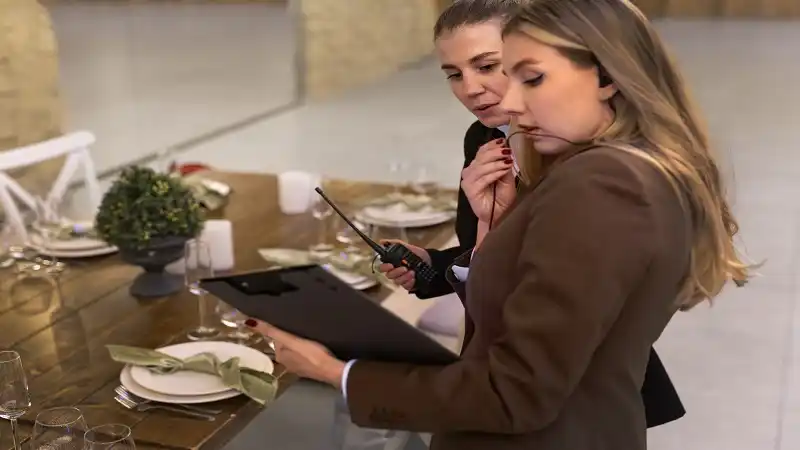
Guest experience is shaped as much by logistics as it is by programming. While entertainment, speakers, and décor often define an event’s theme, amenities determine how comfortable and accessible the experience feels for attendees. For event coordinators, planning guest amenities involves anticipating needs that may not be immediately visible but have a direct impact on satisfaction, flow, and overall event perception.
This article outlines the key considerations event coordinators typically evaluate when planning guest amenities.
Understanding the Audience and Event Type
Amenities should reflect the type of event and the expected audience. A family-oriented festival may require different accommodations than a corporate gathering or a music event. Age range, duration, and expected activity level all influence what attendees will need throughout the event.
For example, events with longer durations or high attendance often require more seating, hydration access, and sanitation facilities. Understanding who will attend helps coordinators determine how to scale amenities appropriately.
Balancing Capacity with Attendance
Accurate attendance estimates are essential when planning guest amenities. Underestimating demand can lead to overcrowding, long wait times, and reduced comfort. Overestimating, on the other hand, may result in unnecessary costs and unused infrastructure.
Event coordinators often build flexibility into their plans, allowing for adjustments as attendance fluctuates. This can include reserving additional equipment or designing layouts that can be expanded if needed.
Balancing capacity ensures that amenities meet demand without overwhelming the event space.
Planning Restroom Access and Placement
Restroom access is one of the most important amenities for any event. Poorly planned sanitation can quickly affect attendee satisfaction, regardless of how well other aspects of the event are executed.
Coordinators typically consider both the number of units needed and where they should be placed. Units are often positioned near high-traffic areas such as food zones, performance stages, and entry points while still maintaining enough distance to preserve comfort.
Event planners may coordinate with providers such as Rent Porta Johns when arranging sanitation infrastructure. For additional details on how restroom layouts are structured for different event types, coordinators can visit the site to explore common configurations.
Thoughtful planning helps ensure restroom access remains convenient throughout the event.
Providing Seating and Rest Areas
Not all attendees will remain on their feet for the duration of an event. Seating areas provide opportunities for rest and help distribute crowds more evenly across the venue. These areas are especially important for events that span several hours or include diverse age groups.
Coordinators often place seating near food vendors, shaded areas, or quieter sections of the venue to create comfortable gathering spaces. These rest zones can also help reduce congestion in high-traffic areas.
Providing adequate seating supports a more relaxed and enjoyable experience.
Managing Shade, Weather, and Comfort
Outdoor events require additional planning around environmental conditions. Shade structures, tents, and cooling areas can help attendees remain comfortable during hot weather, while covered areas protect in case of rain.
Weather considerations often influence the placement of amenities as well. Coordinators may cluster certain features together to create more functional comfort zones within the event space.
Preparing for changing conditions helps maintain a consistent experience regardless of the weather.
Coordinating Waste and Cleanliness
Guest amenities also include maintaining a clean environment. Trash and recycling stations should be distributed throughout the venue to encourage proper disposal and reduce litter.
Event staff or volunteers may be assigned to monitor high-traffic areas and empty receptacles as needed. Keeping the site clean supports both aesthetics and safety, especially in areas where food and beverages are served.
Cleanliness is often one of the most noticeable aspects of an event from an attendee’s perspective.
Supporting Accessibility and Inclusivity
Modern event planning often includes considerations for accessibility and inclusivity. This may involve ensuring pathways are navigable, providing accessible restroom units, and designing layouts that accommodate a range of mobility needs.
Clear signage, well-lit areas, and easily identifiable amenities also contribute to a more inclusive environment where attendees can navigate the event comfortably.
Planning with accessibility in mind helps ensure that a wider audience can participate fully.
Guest amenities are a foundational element of successful event planning. While they may not always be the focal point of the event, they significantly influence how attendees experience the space. From restroom access and seating to cleanliness and accessibility, each detail contributes to the overall impression of the event.
By carefully planning and coordinating these elements, event coordinators can create environments that are not only functional but also welcoming and comfortable, supporting positive experiences for all attendees from arrival to departure. See more.